
National Parks
Underrated U.S. National Parks That Deserve a Spot on Your Bucket List
This guide covers five of the best dark sky destinations in the United States for stargazing: Cherry Springs State Park in Pennsylvania, Big Bend National Park in Texas, Bryce Canyon in Utah, Mauna Kea in Hawaii, and Great Basin National Park in Nevada. Each offers low light pollution, ranger or observatory programs, and clear views of the Milky Way and constellations.
Explore USA Editorial Team· August 15, 2025· 3 min read
Introduction
If you love looking up at the night sky, there’s no better way to experience the wonders of the universe than in a dark sky location. From national parks to remote desert landscapes, here are the best places in the U.S. to see the stars like never before.
- Cherry Springs State Park, Pennsylvania – The East Coast’s Darkest Skies
- Milky Way Visibility: Easily seen on clear nights.
- Meteor Showers: Best viewed in August during the Perseids.
- Astronomy Field: Open to the public with dedicated stargazing spots.
- Big Bend National Park, Texas – The Best Skies in the South
- Low Light Pollution: One of the darkest places in North America.
- Constellation Viewing: Spot Orion, Cassiopeia, and even the Andromeda Galaxy.
- Chisos Mountains Overlook: Best vantage point for an unobstructed night sky.
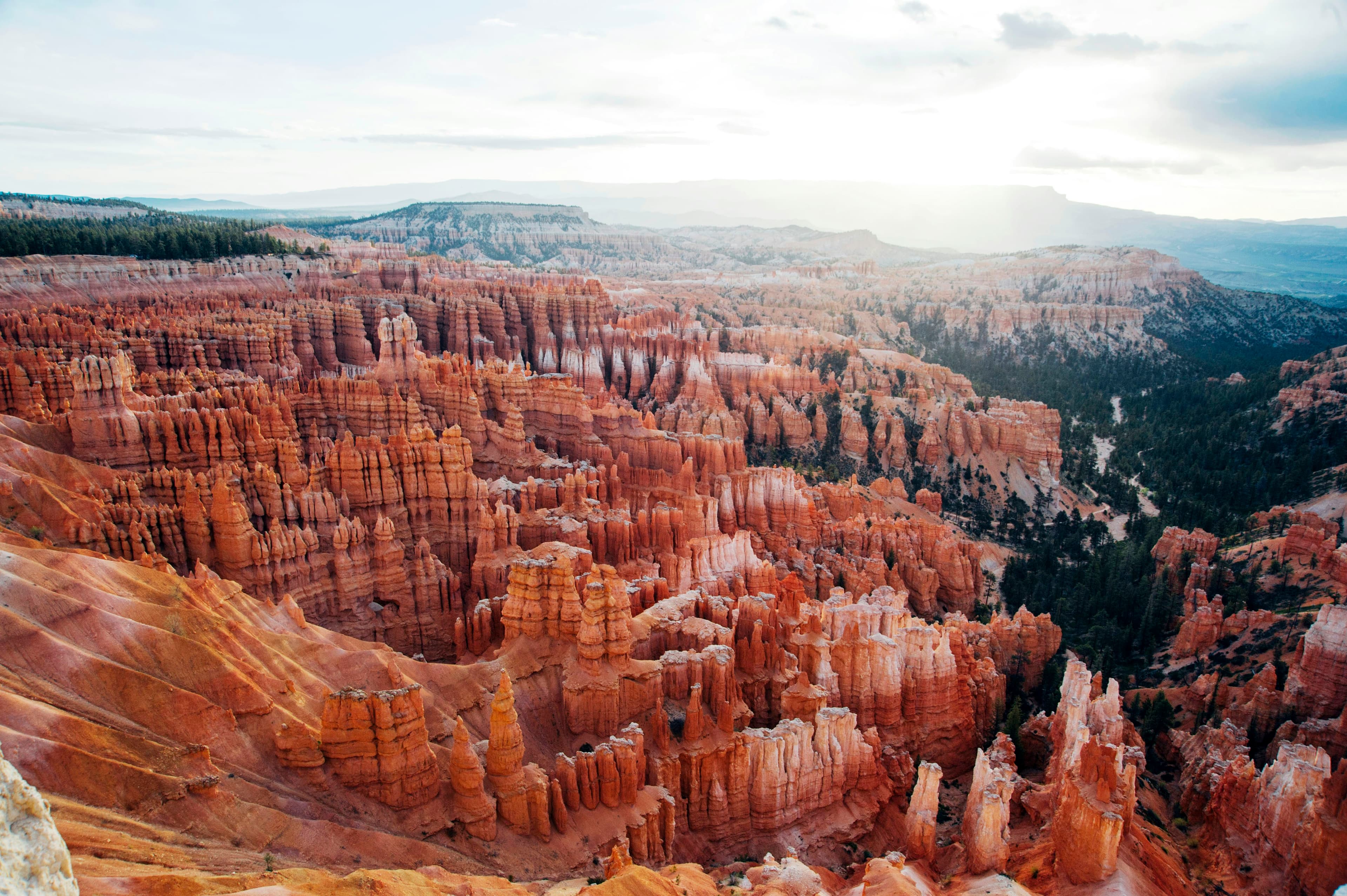
- Bryce Canyon National Park, Utah – Stargazing Among Hoodoos
- Ranger-Led Night Sky Programs: Offered year-round.
- Annual Astronomy Festival: A summer event with telescope viewings.
- Silent Sky Experience: No cars or artificial lights after dark.
- Mauna Kea, Hawaii – Stargazing Above the Clouds
- International Observatories: Scientists from around the world study the stars here.
- Telescope Viewing: Free nightly programs at the Mauna Kea Visitor Center.
- Above the Clouds: Little to no atmospheric interference.
- Great Basin National Park, Nevada – A Hidden Astronomy Gem
- Annual Astronomy Festival: Workshops and telescope viewings.
- No Light Pollution: More than 7,000 stars visible to the naked eye.
- Lehman Caves Tour: Combine a cave adventure with a night under the stars.
- What is a Dark Sky Park?
- What’s the best time of year for stargazing?
- Do I need a telescope for stargazing?
- Are there stargazing tours available?
- How can I take photos of the night sky?
Places in this story
- Cherry Springs State Park
- Big Bend National Park
- Chisos Mountains
- Bryce Canyon National Park
- Mauna Kea
- Mauna Kea Visitor Center
- Great Basin National Park
- Lehman Caves
- East Coast
- American Southwest
Frequently asked questions
- Where can I find the darkest skies for stargazing on the East Coast?
- Cherry Springs State Park in Pennsylvania has some of the darkest skies on the East Coast, making it ideal for Milky Way viewing. It has a public astronomy field with dedicated stargazing spots, and August is the best time to catch the Perseid meteor shower. Bring a red flashlight to preserve your night vision.
- When is the best time of year to go stargazing?
- Winter generally offers clearer skies, while summer brings more visible constellations. Meteor showers peak in August and December. At Big Bend National Park in Texas, winter is recommended for clear skies and cooler temperatures, while several parks host astronomy festivals during the summer months.
- Do I need a telescope to enjoy these dark sky destinations?
- No. Many stars and planets are visible to the naked eye, especially at low-light-pollution sites like Great Basin National Park in Nevada, where more than 7,000 stars can be seen unaided. A telescope enhances the experience, and parks such as Bryce Canyon and Mauna Kea offer telescope viewing programs.
- What makes Mauna Kea in Hawaii special for stargazing?
- At nearly 14,000 feet, Mauna Kea sits above the clouds, giving crystal-clear views with little atmospheric interference. International observatories operate at the summit, and the Mauna Kea Visitor Center runs free nightly telescope programs. Dress warmly, since summit temperatures can drop below freezing.
- Are guided night sky programs available at these parks?
- Yes. Bryce Canyon offers ranger-led night sky programs year-round plus a summer astronomy festival, Great Basin hosts an annual astronomy festival with workshops and telescope viewings, and Mauna Kea Visitor Center provides free nightly telescope programs. Many national parks and observatories run guided stargazing experiences.