
Sustainable Travel
Eco-Friendly Summer Escapes: Traveling Lighter Across America
Four low-impact summer destinations stand out for real restraint rather than green marketing: Michigan's 17-mile car-free Leelanau Trail between Traverse City and Suttons Bay, Crested Butte, Colorado's free year-round Mountain Express bus system, Georgia's Little St. Simons Island (capped at 32 overnight guests, no diesel generators since 1980) and neighboring Sapelo Island's loggerhead nesting program, and Oregon's Abbey Road Farm stay near Carlton alongside the McKenzie River's Tamolitch Blue Pool.
Where Summer Travel Learns to Tread a Little Lighter
Ask ten travelers what "eco-friendly" means and you'll get ten vague answers. So let's get specific. Four places are making low-impact summer travel actually work this year, and none of them ask you to give anything up: a paved trail instead of a rental car, a working farm instead of a resort buffet, an island that caps its own guest list instead of building a bigger dock. Here's what's real, what's overstated elsewhere, and where to go.
Michigan: The Leelanau Peninsula's Car-Free Cherry Country
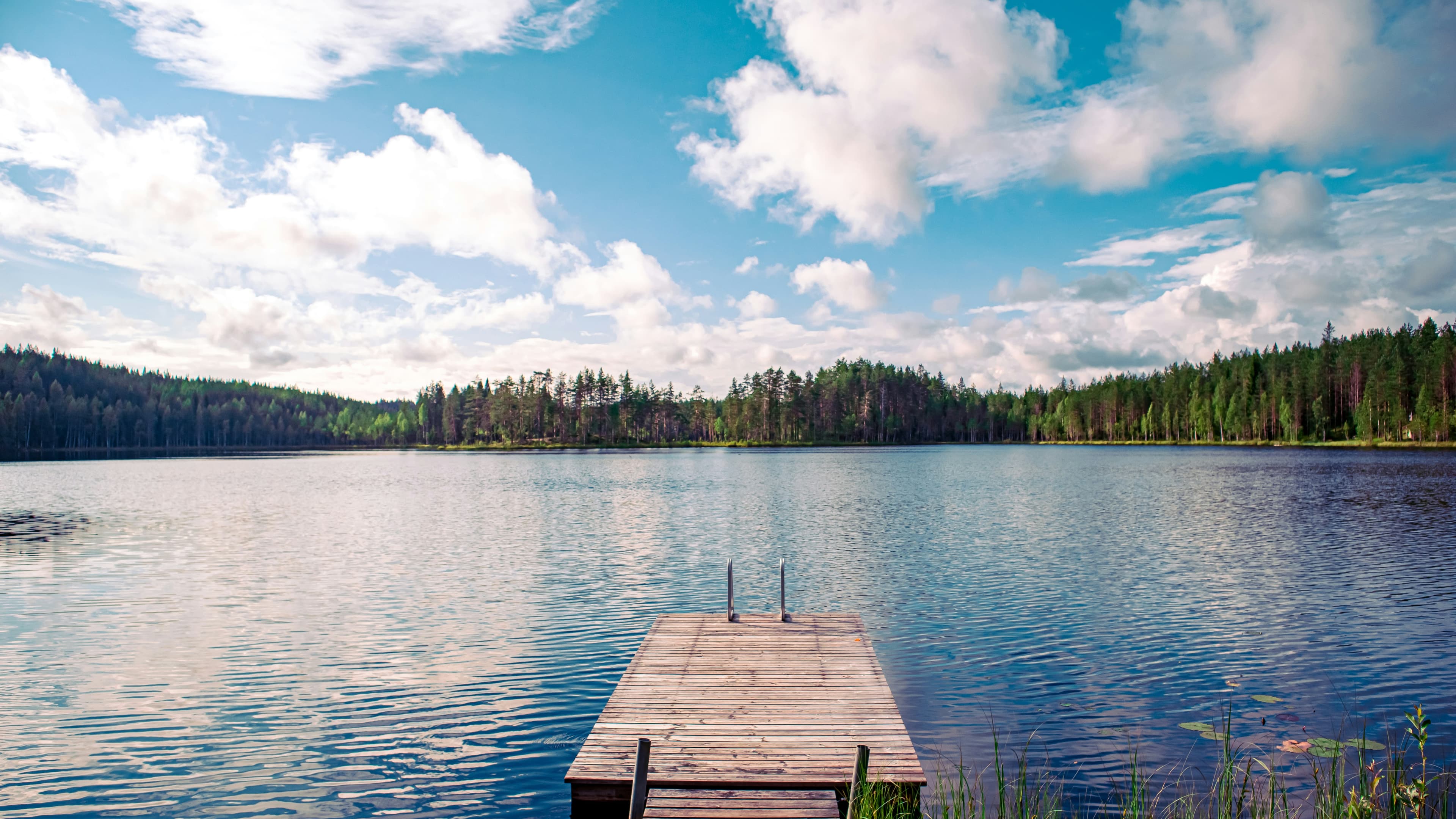
Traverse City sits at the base of two long bays, and the smartest way to see them skips the car entirely. The Leelanau Trail is a paved, 17-mile path with no motorized traffic allowed, running from downtown Traverse City north to Suttons Bay through orchard country, the kind where cherry trees crowd right up to the shoulder in July. Pair a ride with a morning on the water. Outfitters along the Boardman River and West Grand Traverse Bay rent kayaks and paddleboards by the hour, no gas engine involved, and the bay stays clear enough in summer that you can watch smallmouth bass trail beneath your paddle.
Best local stop: Ride or paddle into Suttons Bay by early evening, when the orchards along M-22 let off that ripening-cherry smell and the water turns the color of brushed pewter.
Colorado: Crested Butte's Buses You Don't Pay For
Mountain Express, the town's transit system, has been free since it started, and it runs year-round between Crested Butte and Mt. Crested Butte with buses roughly every 20 minutes through summer and racks built for bikes. Skip the bus altogether and you can still reach most trailheads, the farmers market, and a handful of swimming holes on the paved recreation path connecting the two towns, no car required either way. July is peak wildflower season in the high meadows, lupine and Indian paintbrush thick enough to slow your pedaling just to look at them.
Worth the detour: The Lower Loop Trail runs northwest out of town along the Slate River, an easy grade past Peanut Lake with almost none of the crowds found on the marquee trailheads.
Georgia: Barrier Islands That Limit Themselves on Purpose
Little St. Simons Island, off the coast near Brunswick, caps its overnight guests at 32, an odd number until you learn it's deliberate across 11,000 acres of maritime forest and marsh and seven miles of undeveloped beach. Diesel generators stopped running there in 1980, replaced by a submerged power cable from St. Simons Island, and e-bikes and drones are simply not allowed, out of consideration for nesting shorebirds. A few miles south, Sapelo Island runs on the same instinct: the ferry from Meridian won't carry you without a reservation, and Georgia's Department of Natural Resources has coordinated a loggerhead nesting program on Sapelo's Nannygoat Beach since 1987. Nesting season runs from late May into mid-August, and DNR volunteers occasionally open nighttime beach walks to the public around it.
Time it right: Book an evening walk on Nannygoat Beach during nesting season and you may watch a loggerhead, often several hundred pounds, haul herself above the tideline, dig, and disappear again before the mosquitoes fully find you.
Oregon: Willamette Valley Farms With Beds Attached
Outside the small town of Carlton, Abbey Road Farm converts three decommissioned grain silos into guest suites, each with a soaking tub and heated floors, on a property that's also a working farm and winery. Stay the night and breakfast comes largely from what's grown a few steps away, plus a walk past the goats, alpacas, and whatever else is loose in the pasture that week. Farther east, the McKenzie River has carried Wild and Scenic protection since 1988, and its most photographed stretch, Tamolitch Blue Pool, resurfaces through old lava flow at a steady 37 degrees. It looks like the most inviting swimming hole in Oregon. It is not: that water will take your breath away in the least poetic sense, so treat it as a viewpoint, not a place to linger.
Skip the crowds: Ride or drive the McKenzie River Trail's lower miles at dusk, once the day-trippers have cleared out and the old-growth canopy holds onto the last of the light.
What ties these four places together isn't a shared look, solar panels and reclaimed wood show up everywhere now. It's restraint. Little St. Simons could fit more guests. Crested Butte could charge bus fare. Neither does, and that choice, more than any amenity, is what keeps a place worth visiting a decade from now. That's the real story of this summer, not the eco-lodge yoga schedule.
Places in this story
- Leelanau Peninsula
- Traverse City
- Suttons Bay
- Leelanau Trail
- Boardman River
- West Grand Traverse Bay
- M-22
- Crested Butte
- Mt. Crested Butte
- Slate River
- Lower Loop Trail
- Peanut Lake
Frequently asked questions
- How long is the Leelanau Trail in Michigan?
- The Leelanau Trail is a paved, 17-mile car-free path running from downtown Traverse City north to Suttons Bay through orchard country.
- Is the bus free in Crested Butte, Colorado?
- Yes, the Mountain Express transit system has been free since it started and runs year-round between Crested Butte and Mt. Crested Butte, with buses roughly every 20 minutes in summer and bike racks.
- How many guests does Little St. Simons Island in Georgia allow at once?
- Little St. Simons Island caps overnight guests at 32 across its 11,000 acres of maritime forest and marsh, and it has run on a submerged power cable (no diesel generators) since 1980, with e-bikes and drones banned to protect nesting shorebirds.
- Can you swim in Tamolitch Blue Pool on the McKenzie River in Oregon?
- It looks like an inviting swimming hole but the article advises against swimming there: the water resurfaces through old lava flow at a steady 37 degrees, cold enough to take your breath away, so it should be treated as a viewpoint rather than a place to swim.
- When is loggerhead sea turtle nesting season on Sapelo Island's Nannygoat Beach?
- Nesting season runs from late May into mid-August. Georgia's Department of Natural Resources has run a loggerhead nesting program on Nannygoat Beach since 1987 and occasionally opens nighttime beach walks to the public during that period.