
Adventure Travel
The Best Places in the U.S. to See the Northern Lights
This guide names five U.S. destinations for viewing the Northern Lights: Fairbanks, Alaska; Voyageurs National Park in Minnesota; Michigan's Upper Peninsula; Idaho's Panhandle National Forests; and Acadia National Park in Maine. Fairbanks ranks as the top spot, with peak aurora activity from September to April, and dark-sky parks and waterfront reflections enhance viewing elsewhere.
Explore USA Editorial Team· August 15, 2025· 2 min read
Introduction
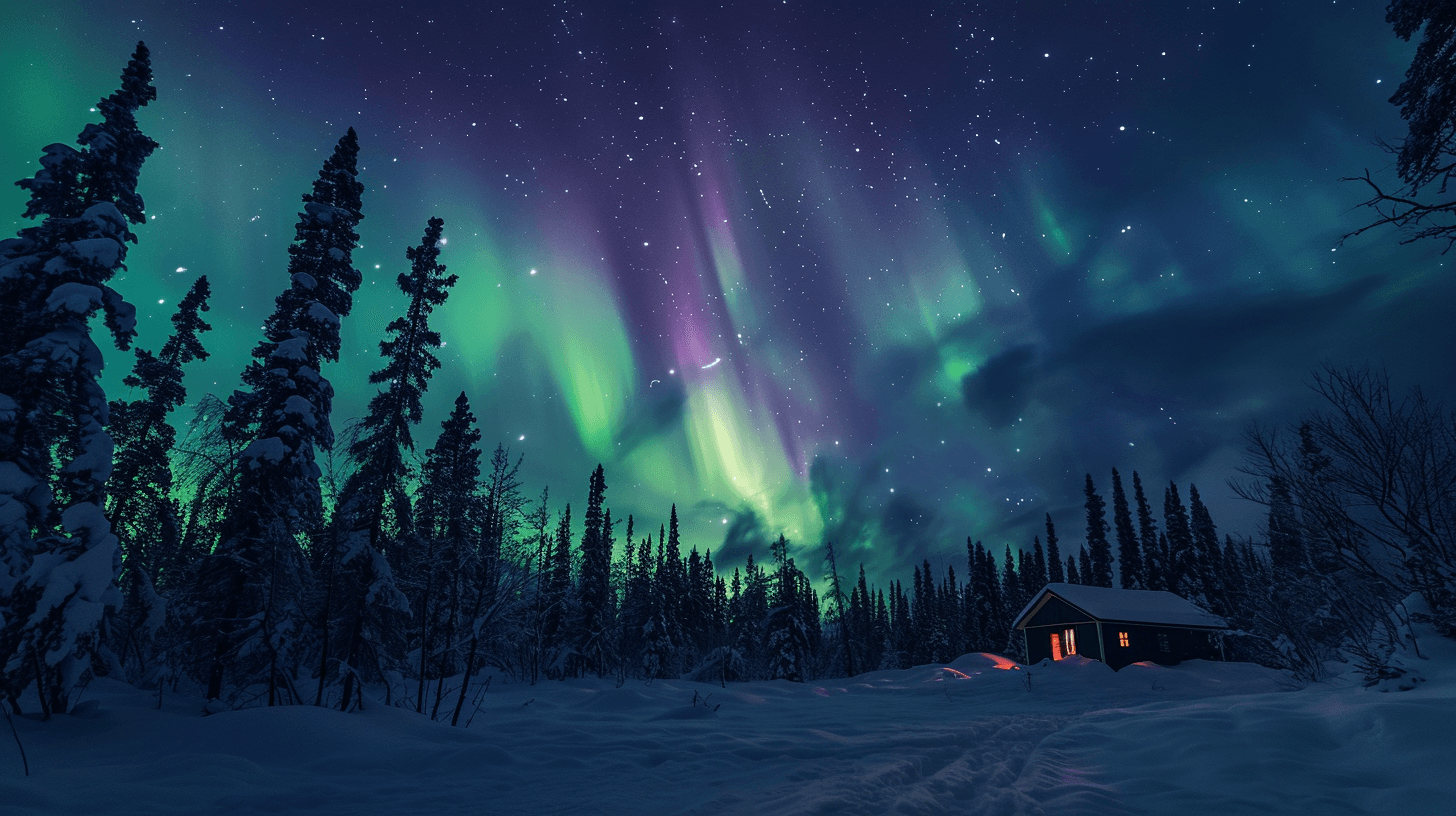
The Aurora Borealis, or Northern Lights, is one of the most magical natural phenomena. While many people think they need to travel to Iceland or Norway to see them, there are incredible places right here in the U.S. to witness the lights dancing across the sky.
Here are the best spots in America to see the Northern Lights.
- Fairbanks, Alaska – The Ultimate Aurora Destination
- Chena Hot Springs – Watch the aurora from a natural hot spring.
- Murphy Dome – A high-elevation spot for unobstructed views.
- Aurora Borealis Lodge – A remote lodge designed for Northern Lights viewing.
- Voyageurs National Park – Minnesota
- Ash River Visitor Center – Open skies and frozen lakes reflect the aurora beautifully.
- Ellsworth Rock Gardens – A scenic, peaceful spot for stargazing.
- Upper Peninsula – Michigan
- Keweenaw Peninsula – A remote, dark-sky region.
- Pictured Rocks National Lakeshore – Stunning aurora reflections over the cliffs.
- Headlands International Dark Sky Park – A dedicated stargazing site.
- Idaho Panhandle National Forests – Idaho
- Priest Lake – Clear skies and reflections off the water.
- Sandpoint – A charming mountain town perfect for a winter getaway.
- Acadia National Park – Maine
- Cadillac Mountain – One of the first places in the U.S. to see the sunrise.
- Sand Beach – Beautiful reflections of the aurora over the Atlantic Ocean.
- When is the best time to see the Northern Lights?
- How can I increase my chances of seeing the lights?
- What camera settings should I use for aurora photography?
- Are Northern Lights tours available?
Places in this story
- Fairbanks
- Chena Hot Springs
- Murphy Dome
- Aurora Borealis Lodge
- Voyageurs National Park
- Ash River Visitor Center
- Ellsworth Rock Gardens
- Keweenaw Peninsula
- Pictured Rocks National Lakeshore
- Headlands International Dark Sky Park
- Lake Superior
- Idaho Panhandle National Forests
Frequently asked questions
- Where is the best place in the U.S. to see the Northern Lights?
- Fairbanks, Alaska is the best place in the U.S. to see the Northern Lights, with peak aurora activity from September to April. Top viewing spots include Chena Hot Springs, where you can watch from a natural hot spring, Murphy Dome for high-elevation unobstructed views, and the remote Aurora Borealis Lodge.
- Can you see the Northern Lights on the U.S. East Coast?
- Yes. Acadia National Park in Maine is one of the only East Coast spots where you can see the Northern Lights. Cadillac Mountain offers wide views, and Sand Beach delivers aurora reflections over the Atlantic Ocean. Visit during a new moon for the darkest possible skies.
- When is the best time of year to see the Northern Lights in the U.S.?
- The best time is September to March, when nights are longest and skies are clearest. In Fairbanks specifically, peak aurora activity runs from September to April. Fall and winter offer the clearest skies in places like Michigan's Upper Peninsula, though you should pack warm clothing.
- How can I increase my chances of seeing the aurora?
- Check the KP Index using an aurora forecast app, since auroras are unpredictable, and avoid city light pollution by heading to dark-sky areas like Voyageurs National Park or Idaho's Priest Lake. Be patient. In Alaska, booking a guided Northern Lights tour helps because guides know the best viewing times.
- What camera settings work best for aurora photography?
- Use a DSLR or mirrorless camera, set a long exposure, and mount the camera on a tripod to keep it steady during the extended shot. Shooting near frozen lakes, such as those in Voyageurs National Park, or over water can capture striking aurora reflections that double the effect.