
National Parks
America’s Best Stargazing Destinations for Astronomy Lovers
This guide rounds up five top U.S. stargazing destinations for dark, low-light-pollution night skies: Cherry Springs State Park in Pennsylvania, Big Bend National Park in Texas, Bryce Canyon National Park in Utah, Mauna Kea in Hawaii, and Great Basin National Park in Nevada. Each offers clear skies, Milky Way views, or astronomy programs for amateur and seasoned stargazers alike.
Introduction
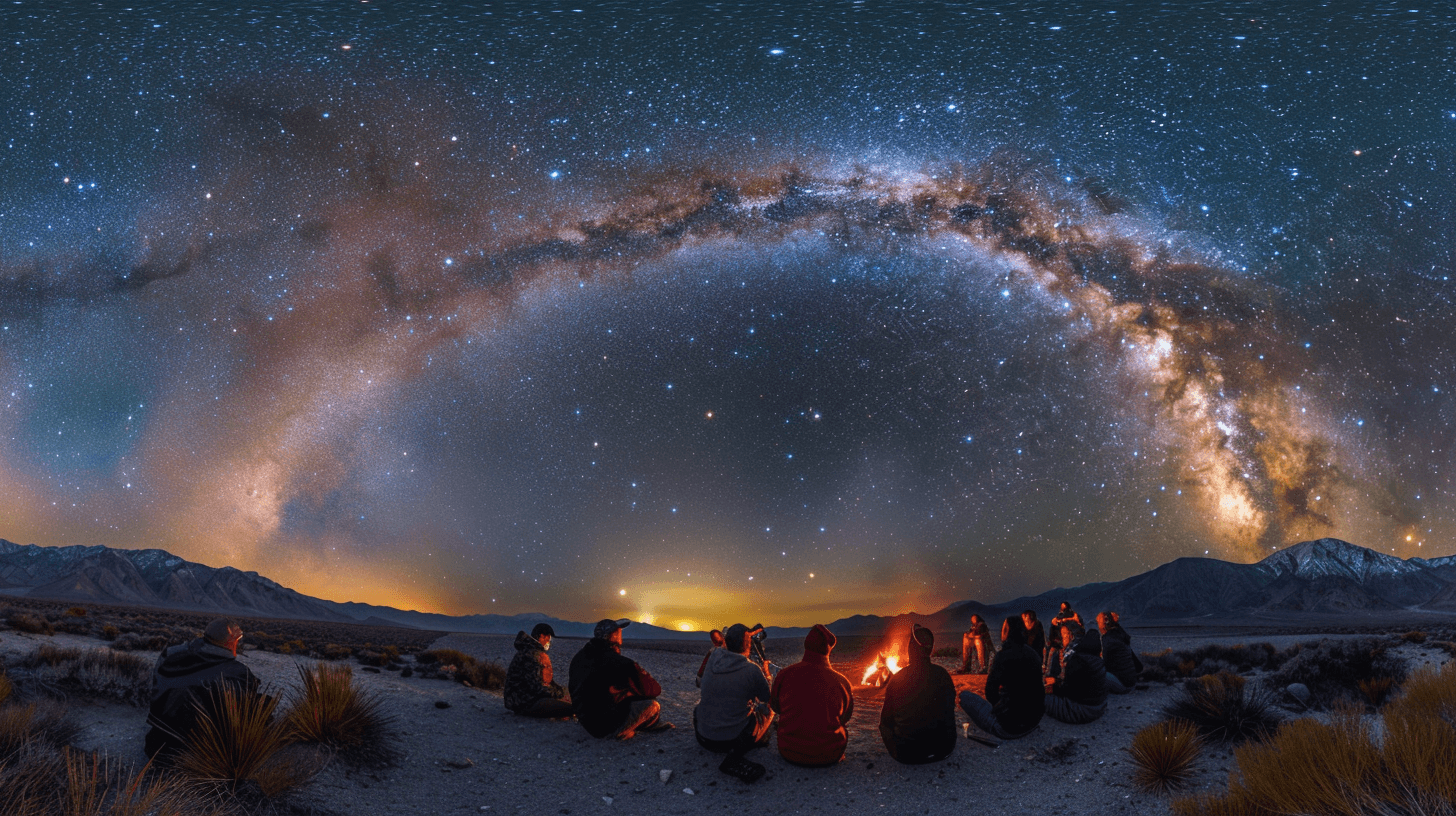
If you love looking up at the night sky, there’s no better way to experience the wonders of the universe than in a dark sky location. From national parks to remote desert landscapes, here are the best places in the U.S. to see the stars like never before.
1. Cherry Springs State Park (Pennsylvania)
This International Dark Sky Park offers some of the darkest skies on the East Coast, perfect for spotting the Milky Way and meteor showers.
2. Big Bend National Park (Texas)
With almost zero light pollution, Big Bend’s rugged desert landscape provides an awe-inspiring backdrop for stargazing.
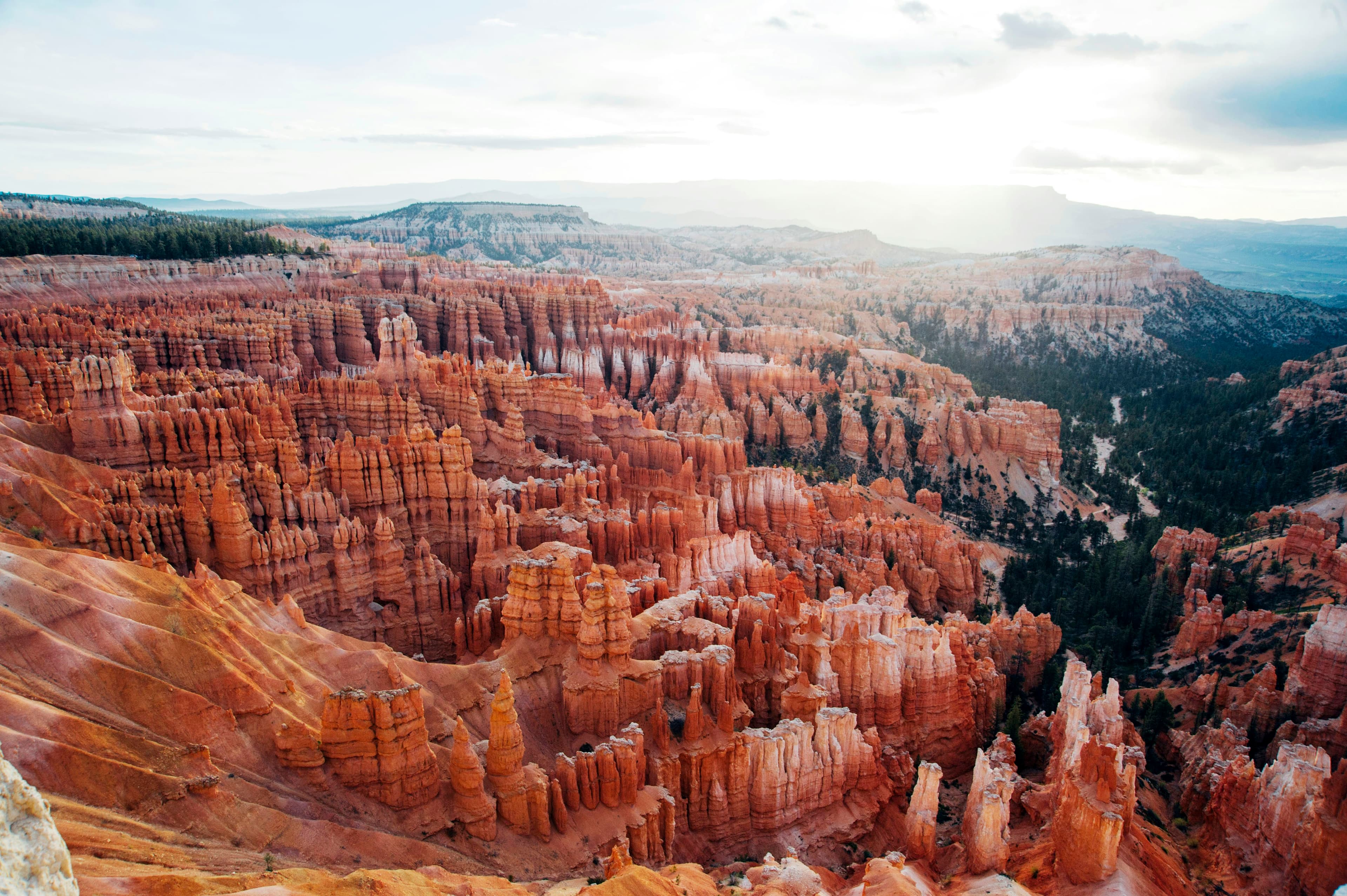
3. Bryce Canyon National Park (Utah)
Famous for its hoodoo rock formations, Bryce Canyon also has some of the clearest skies in the Southwest.
4. Mauna Kea (Hawaii)
At 13,796 feet above sea level, Mauna Kea is home to some of the world’s most advanced telescopes and offers incredible celestial views.
5. Great Basin National Park (Nevada)
One of the least visited national parks, Great Basin is an astronomy haven, with stargazing programs and breathtaking night skies.
Conclusion
Whether you're an amateur stargazer or a seasoned astronomer, these dark sky destinations will take your night sky experience to a whole new level.
Places in this story
- Cherry Springs State Park
- Big Bend National Park
- Bryce Canyon National Park
- Mauna Kea
- Great Basin National Park
- American Southwest
- East Coast
Frequently asked questions
- What are the best stargazing destinations in the United States?
- This article highlights five standout spots: Cherry Springs State Park in Pennsylvania, Big Bend National Park in Texas, Bryce Canyon National Park in Utah, Mauna Kea in Hawaii, and Great Basin National Park in Nevada. Each is known for dark skies, minimal light pollution, and clear views of the night sky.
- Where can I stargaze on the U.S. East Coast?
- Cherry Springs State Park in Pennsylvania is the article's East Coast pick. As an International Dark Sky Park, it offers some of the darkest skies in the region, making it a strong choice for spotting the Milky Way and catching meteor showers away from city light pollution.
- Why is Mauna Kea good for astronomy?
- Mauna Kea in Hawaii sits at 13,796 feet above sea level, which places observers above much of the atmosphere. The article notes it is home to some of the world's most advanced telescopes and offers incredible celestial views thanks to its high-altitude, exceptionally clear conditions.
- Which national park is best for stargazing with fewer crowds?
- Great Basin National Park in Nevada is one of the least visited national parks, according to the article, which makes it an astronomy haven. It offers stargazing programs and breathtaking night skies, giving visitors dark conditions without the crowds found at more popular parks.
- Do I need to be an experienced astronomer to enjoy these spots?
- No. The article notes these dark sky destinations suit both amateur stargazers and seasoned astronomers. With minimal light pollution and clear skies at places like Big Bend and Bryce Canyon, even first-time visitors can see the Milky Way and meteor showers with the naked eye.