
National Parks
The Smart Way to Visit National Parks This Summer
In 2026, Arches and Glacier both dropped their vehicle reservation systems in favor of managing crowds trailhead by trailhead, while Rocky Mountain National Park now requires two separate permits (one for Bear Lake Road, one for the rest of the park); Zion's Angels Landing still needs a $6 lottery permit, and sunrise shuttle starts plus high-elevation stops like Trail Ridge Road and Sequoia's General Sherman Tree grove offer the best ways to beat summer heat and crowds.
The Smart Way to Visit National Parks This Summer
Summer is when everyone wants a piece of the national parks, and that is exactly the problem. Parking lots at Zion and Yosemite fill before 9 a.m. Permits vanish within minutes of release. The parks themselves have not changed, only the crowds have, and in 2026 the reservation rules changed too, in ways that caught even longtime visitors off guard. Know the new rules and a few old tricks, and there is still a version of summer here that feels wide open.
Beat the Heat with a Sunrise Start
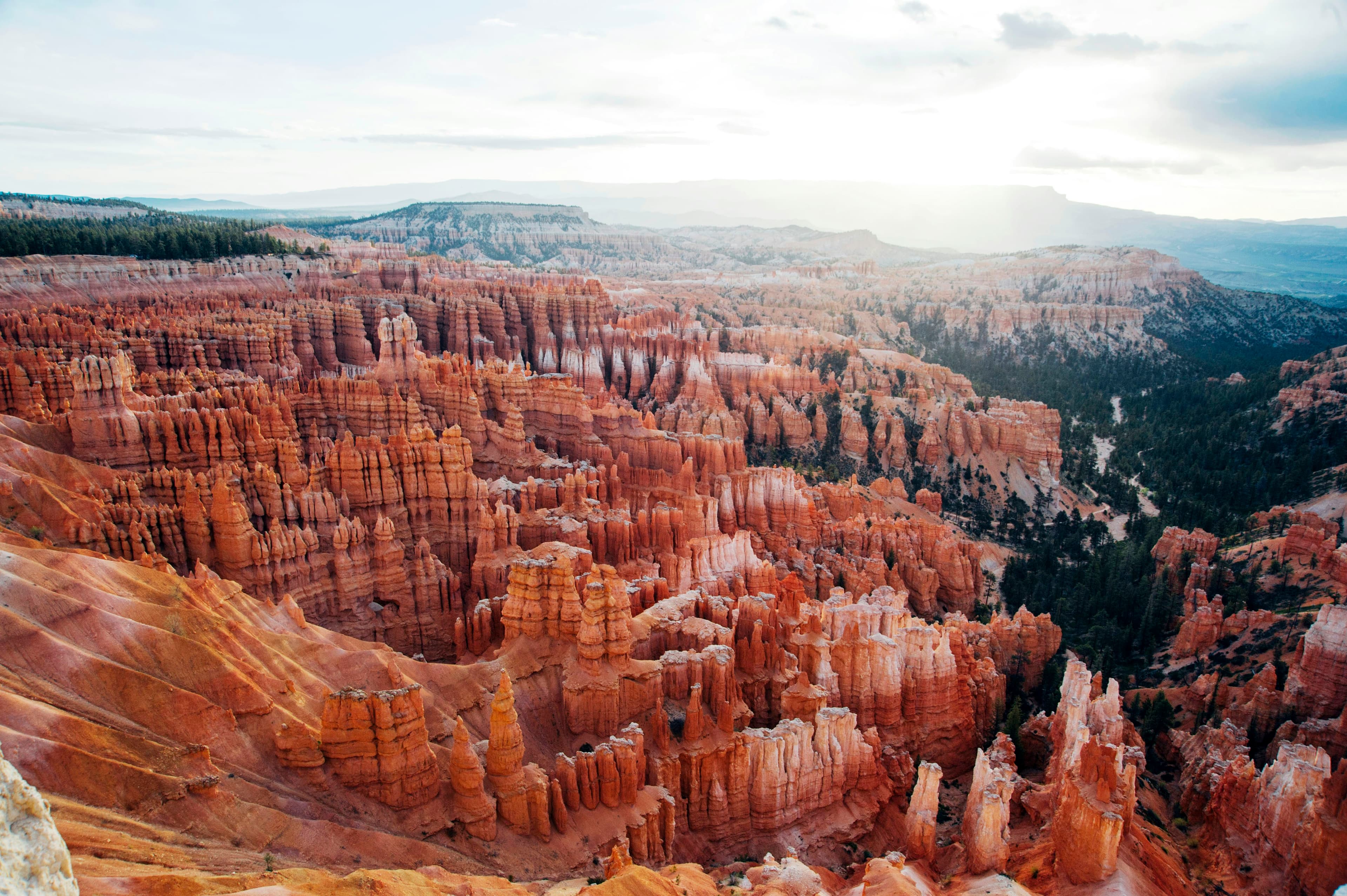
In Zion, Arches, and Canyonlands, July afternoons regularly push past 100 degrees, turning a moderate trail into a bad idea by 11 a.m. The Zion Canyon shuttle runs March 7 through November 28 this year, free with park entry, and the first bus leaves the visitor center well before most people are awake. Ride it to the Grotto stop and start the Emerald Pools trail while the canyon is still in shadow. No permit required, unlike its famous neighbor.
Best local stop: Angels Landing does require a permit now, a $6 non-refundable lottery application plus $3 per person if you win a slot. The chain section past Scout Lookout narrows to under three feet wide with drop-offs of more than 1,000 feet on either side, so this is not a trail to wing. Apply to the seasonal lottery months out, or try the day-before drawing on your phone the night before, and build your morning around whichever shuttle gets you to the trailhead first.
Go Vertical: The High-Country Alternative
While valley floors bake, altitude buys real relief. Trail Ridge Road in Rocky Mountain National Park tops out at 12,183 feet, the highest continuous paved road in North America, and mornings up there can start near 37 degrees before climbing toward 70 by midday at the lower pullouts. Figure on losing roughly 3 to 5 degrees for every thousand feet you climb. If Estes Park is pushing 80, the Alpine Visitor Center is probably sitting in the mid-50s with a wind that makes it feel colder. Bring a jacket even in July, no matter how confident the forecast looks from town.
Sequoia's groves offer a gentler version of the same trick. The General Sherman Tree sits at 7,000 feet, where summer highs settle into a comfortable 70s while the park's foothill entrances routinely clear 90 by afternoon.
Water Is the Whole Point
Some parks were built for July. Glacier's Lake McDonald turns an improbable turquoise under a summer sky, cold enough that a five-minute dip resets a whole afternoon. In the Arkansas Ozarks, the Buffalo National River's classic run from Ponca to Kyle's Landing covers roughly 10 miles and takes four to six hours, passing beneath Big Bluff, a 500-foot limestone wall about ninety minutes downriver from the put-in. When water levels drop too low to launch at Ponca, outfitters simply move the trip two miles down to the Steel Creek access instead.
Hidden gem: At Yosemite, skip the packed valley overlooks and walk to the sandy beach along the west end of Housekeeping Camp, where the Merced River runs shallow enough for wading kids most summers, water levels permitting, and almost nobody bothers to stop.
The Permit Rules Just Flipped
Here is the part that would have surprised last year's visitors: Arches and Glacier both dropped their vehicle reservation systems for 2026 after running them for years, choosing instead to manage crowding trailhead by trailhead when a parking lot fills rather than metering everyone at the gate. Arches still charges $30 per vehicle for a seven-day pass, but there is no timed window attached to it anymore. Glacier reopened the full length of Going-to-the-Sun Road on June 22, with shuttle tickets released 60 days out and again at 7 p.m. the night before for next-day entry.
Rocky Mountain went the opposite direction. Its 2026 system actually splits into two separate permits: one covering the Bear Lake Road corridor, required from 5 a.m. to 6 p.m., and a second covering the rest of the park, required only from 9 a.m. to 2 p.m., both running into October. Check which park is on your itinerary before assuming last year's rules still apply, because right now none of these three work the same way.
Let the Evening Do the Heavy Lifting
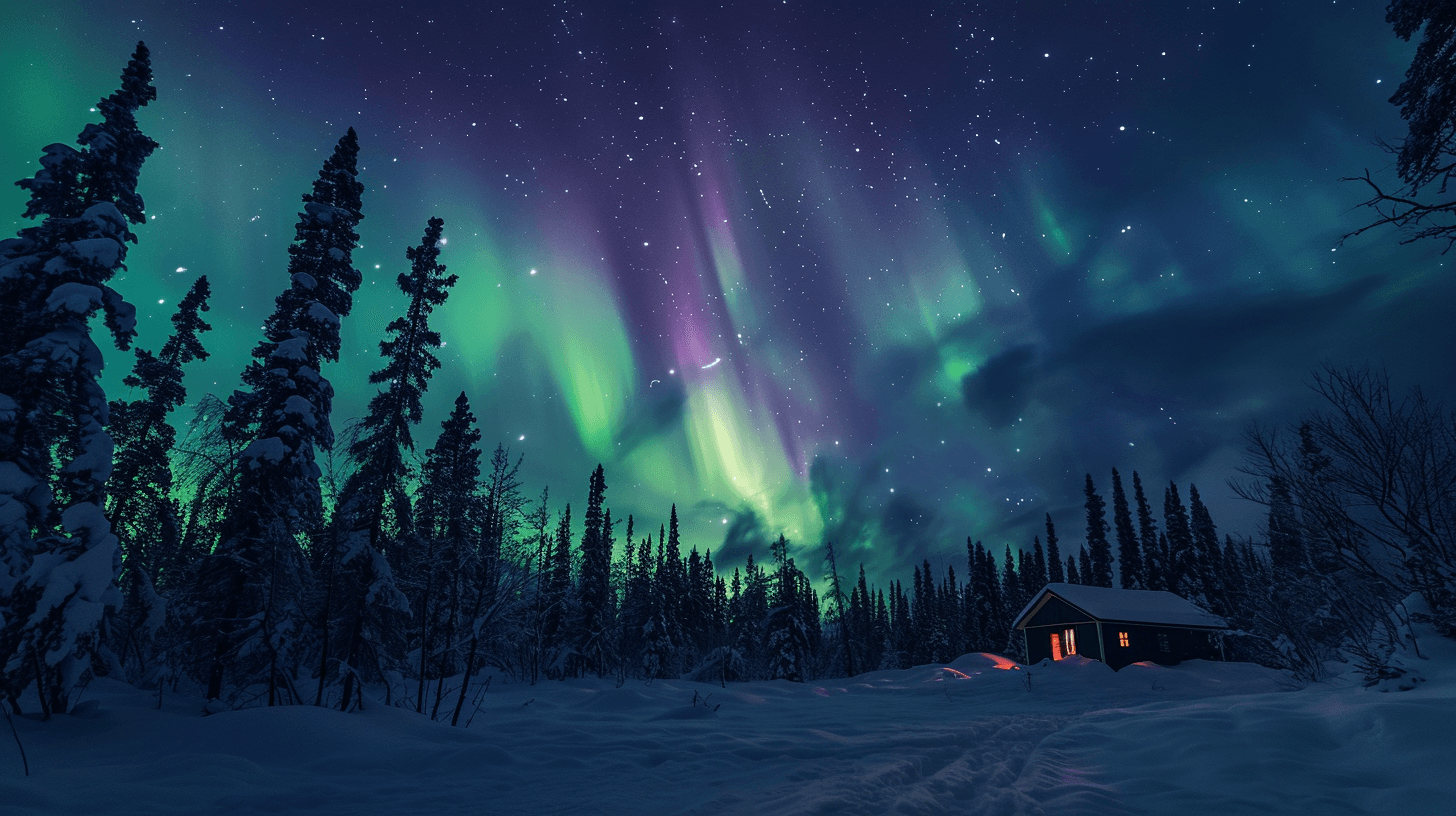
The best hours in these parks often start after the day-trippers pull out. Big Bend, a Gold Tier International Dark Sky Park protecting more than a million acres of unlit sky, runs free ranger star talks out of Chisos Basin on most clear evenings, no sign-up required, just show up with a jacket. A sunset paddle on any park lake trades the noon crowd for a sky doing something interesting and hardly another boat in sight.
Plan around the heat and the paperwork instead of fighting both, and the trail that felt impossible at noon, or the park that felt locked behind a reservation screen last July, turns into the best few hours of the whole trip.
Places in this story
- Zion National Park
- Yosemite National Park
- Arches National Park
- Canyonlands National Park
- Zion Canyon
- Grotto (shuttle stop)
- Emerald Pools trail
- Angels Landing
- Scout Lookout
- Trail Ridge Road
- Rocky Mountain National Park
- Estes Park
Frequently asked questions
- Do Arches and Glacier still require vehicle reservations in 2026?
- No. Both parks dropped their timed-entry vehicle reservation systems for 2026 and now manage crowding trailhead by trailhead when a parking lot fills. Arches still charges $30 per vehicle for a seven-day pass, but there's no timed entry window attached to it anymore.
- Do you need a permit to hike Angels Landing in Zion?
- Yes. Angels Landing requires a $6 non-refundable lottery application plus $3 per person if you win a slot, either through the seasonal lottery applied for months ahead or the day-before drawing on your phone. The nearby Emerald Pools trail, reached via the Zion Canyon shuttle, needs no permit.
- What are Rocky Mountain National Park's new 2026 permit rules?
- Rocky Mountain split its access into two separate permits: one for the Bear Lake Road corridor, required from 5 a.m. to 6 p.m., and a second covering the rest of the park, required only from 9 a.m. to 2 p.m. Both run into October.
- When does the Zion Canyon shuttle run and what does it cost?
- The Zion Canyon shuttle runs March 7 through November 28 this year and is free with park entry. Riding the first bus out to the Grotto stop lets you start the Emerald Pools trail while the canyon is still in shadow.
- How long is the Buffalo National River float from Ponca to Kyle's Landing?
- The classic run covers roughly 10 miles and takes four to six hours, passing beneath the 500-foot limestone wall Big Bluff about ninety minutes downriver from the put-in. When water levels are too low to launch at Ponca, outfitters move the trip two miles downstream to the Steel Creek access.