
Astronomy & Stargazing
Where to Watch the Perseid Meteor Shower This Summer
The Perseid meteor shower peaks the nights of August 12-13, 2026, coinciding with a new moon for unusually dark skies; the best US viewing spots are Great Basin and Joshua Tree National Parks (Nevada and California, both Bortle Class 2), Cherry Springs State Park (Pennsylvania), Acadia National Park (Maine), and Badlands National Park and Custer State Park in the Black Hills (South Dakota).
Where to Watch the Perseid Meteor Shower This Summer
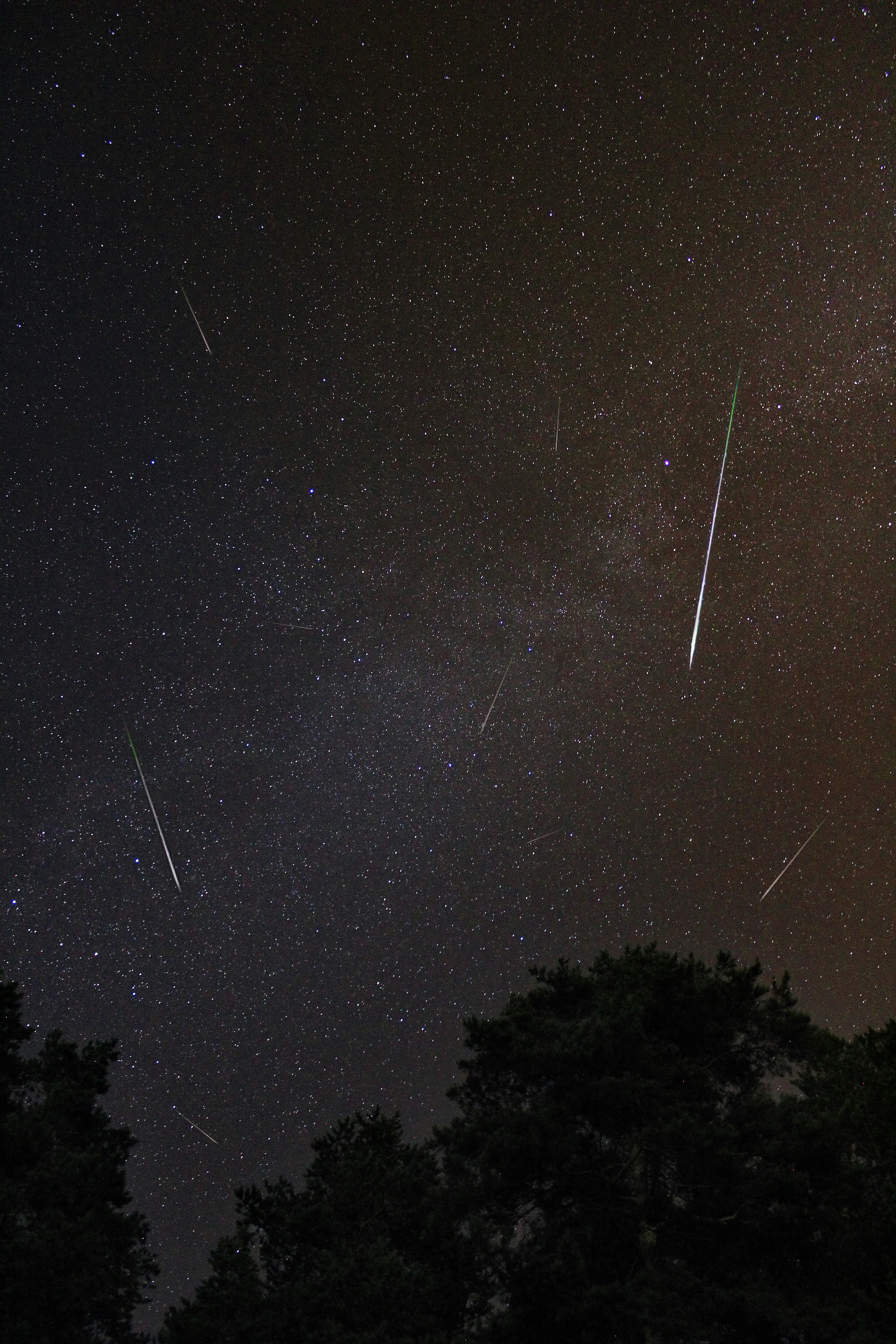
The Perseids run from mid-July clear through early September this year, but only two nights really matter for a trip built around them: August 12 and 13, when the shower peaks. Better still, the moon goes new right at the peak, on August 12, so 2026 hands skywatchers a genuinely dark sky to work with. NASA's oft-quoted figure of up to 100 meteors an hour applies only under ideal, pitch-black conditions, and real counts drop fast once a horizon, a stray cloud, or a neighbor's porch light gets involved. The whole game, then, isn't waiting for the calendar. It's finding a sky dark enough that the number actually gets close.
The Desert Southwest: Great Basin and Joshua Tree
Great Basin National Park, in eastern Nevada, is rated Bortle Class 2, dark enough that a clear night lets the Milky Way cast a faint shadow. Wheeler Peak Campground sits at 10,000 feet, so pack a real jacket even in August; Baker Creek Campground, lower at 7,500 feet, suits anyone towing a trailer or arriving after dark. On the peak night itself, rangers typically gather visitors at the Great Basin Visitor Center around 9 p.m. Pacific for an informal meteor watch, separate from the park's bigger three-day Astronomy Festival, which this year lands in late September, well after the Perseids have thinned out. Farther south, Joshua Tree carries its own Bortle 2 rating, and the park points meteor watchers toward Pinto Basin Road and Cottonwood Campground, farthest from the light dome Palm Springs throws over the park's western half. Expect closer to 60 meteors an hour there, not 100; the horizon runs lower and that glow never fully disappears.
Best local stop: Baker, Nevada is little more than a gas station and a diner, but it is the only food for 60 miles in either direction, so eat before the drive up into the park.
Appalachian Dark: Cherry Springs State Park
Cherry Springs sits on a 2,300-foot plateau in the Pennsylvania Wilds, ringed by state forest that keeps the nearest real light source dozens of miles off. The park splits its offering in two. The Overnight Astronomy Observation Field requires registering at the contact station and paying a per-vehicle fee, somewhere in the neighborhood of $15 to $25 a night depending on who you ask. The Night Sky Public Viewing Area, just north of Route 44, is free and first-come, its amphitheater angled away from headlights on the access road, a small design choice that matters more than it sounds once your eyes adjust. Bring layers regardless: August nights up here can dip into the 50s while Philadelphia sweats through a heat wave three hours south.
Hidden gem: Skip the paid field for a casual visit. The free public area delivers most of the same sky without the registration line.
New England's Coastal Dark: Acadia National Park
Acadia pairs granite coastline with a sky dark enough to matter, and Cadillac Mountain is the obvious draw at 1,530 feet, modest by national park standards but unobstructed in every direction. Here's the part most guides leave out: the summit road runs on a paid vehicle reservation system, about $6 through recreation.gov, from mid-May through October, and it closes to cars at 9 p.m. sharp. Miss that window and you're stuck at the bottom, unless you hike or bike up, which needs no reservation at all and is quietly the smarter option for a midnight meteor watch anyway. Sand Beach, down at sea level, is the mellower alternative: park in the daytime lot, walk out once the sun's gone, and let the tide fill in the quiet while you wait.
Best local stop: Get the lobster roll in Bar Harbor before you head out to the coast, not after. Most of the town closes by nine.
The High Plains: Badlands and Black Hills
Badlands National Park runs a genuine Night Sky Program most summer evenings at the Cedar Pass Campground amphitheater, rangers walking visitors through the sky with 11-inch Celestron telescopes, starting around 9 p.m. in August and creeping earlier as the month goes on. The park's bigger Astronomy Festival lands July 17 through 19 this year, ahead of the Perseid peak, so the nightly ranger program is really the one to plan around if meteors specifically are the goal. An hour or so west, the Black Hills log something like 280 to 300 clear nights a year, and Custer State Park hosts an annual star party with the Black Hills Astronomical Society, telescopes set up at the Bison Center from 8 to 11 p.m., usually timed for August.
Worth planning around: the Door and Window trails inside the Badlands make for a short, easy walk once your eyes adjust, with no artificial light for miles.
Wherever you land, the routine barely changes: get away from town, give your eyes twenty minutes without a phone screen, and look about halfway up the sky, since meteors tend to catch your peripheral vision first. This year's new moon lines up almost exactly with the peak, so the usual complaint about moonlight drowning out faint meteors doesn't apply in 2026. Whether that means a state park an hour from home or an actual trip to Nevada's high desert, one long night flat on your back in the dark is a quiet reset in a season that otherwise refuses to slow down.
Places in this story
- Great Basin National Park
- Wheeler Peak Campground
- Baker Creek Campground
- Great Basin Visitor Center
- Baker, Nevada
- Joshua Tree National Park
- Pinto Basin Road
- Cottonwood Campground
- Palm Springs
- Cherry Springs State Park
- Pennsylvania Wilds
- Route 44
Frequently asked questions
- When does the Perseid meteor shower peak in 2026?
- The peak nights are August 12 and 13, 2026. The moon goes new right on August 12, so there's no moonlight washing out the fainter meteors this year.
- How many meteors per hour will I actually see?
- NASA's figure of up to 100 meteors an hour only applies under ideal, pitch-black conditions. Realistically, expect fewer depending on location, closer to 60 an hour at a spot like Joshua Tree where a horizon glow persists.
- Do I need a reservation to drive up Cadillac Mountain in Acadia at night?
- Yes. The summit road uses a paid vehicle reservation system (about $6 via recreation.gov) from mid-May through October, and it closes to cars at 9 p.m. Hiking or biking up requires no reservation and is a better option for a midnight meteor watch.
- Is Cherry Springs State Park free for meteor watching?
- The Night Sky Public Viewing Area just north of Route 44 is free and first-come. The separate Overnight Astronomy Observation Field requires registering at the contact station and paying a per-vehicle fee of roughly $15 to $25 a night.
- Which national parks have the darkest skies for the Perseids?
- Great Basin National Park in Nevada and Joshua Tree in California are both rated Bortle Class 2, dark enough for the Milky Way to cast a faint shadow on a clear night.