
Adventure Travel
Urban Exploration: Forgotten Underground Tunnels and Hidden Spaces
This guide profiles five U.S. urban exploration sites and how to visit them safely: Seattle Underground's streets buried after the 1889 fire, Cincinnati's never-finished subway, LA's Prohibition-era smuggling tunnels, New York's graffiti-covered Freedom Tunnel, and Portland's Shanghai Tunnels. The key takeaway is to use official guided tours, since several passages are sealed, illegal to enter, or structurally unstable.
Explore USA Editorial Team· August 15, 2025· 2 min read
Introduction
Beneath the bustling streets of America’s cities lie forgotten tunnels, abandoned subway stations, and mysterious underground passageways. These hidden spaces tell fascinating stories of crime, smuggling, and urban expansion.
If you love history and adventure, these urban exploration sites will give you a thrilling peek beneath the surface.
- Seattle Underground (Washington) – A City Beneath a City
- Underground Sidewalks: Peek inside old storefronts from the 1800s.
- Historical Artifacts: Old signs, furniture, and tools left behind.
- Haunted Legends: Ghost stories of former residents still lingering.
- Cincinnati’s Abandoned Subway – America’s Largest Unused Subway
- Tunnels & Platforms: Walk through eerie, unfinished stations.
- Graffiti & Murals: Stunning urban art inside the tunnels.
- Urban Legends: Stories of lost workers and hidden passageways.
- Los Angeles Tunnels – A Prohibition-Era Secret
- Old Speakeasies: Hidden bars used in the 1920s.
- Mysterious Doorways: Locked passageways with unknown origins.
- Hollywood Connections: Rumored ties to old movie studios.
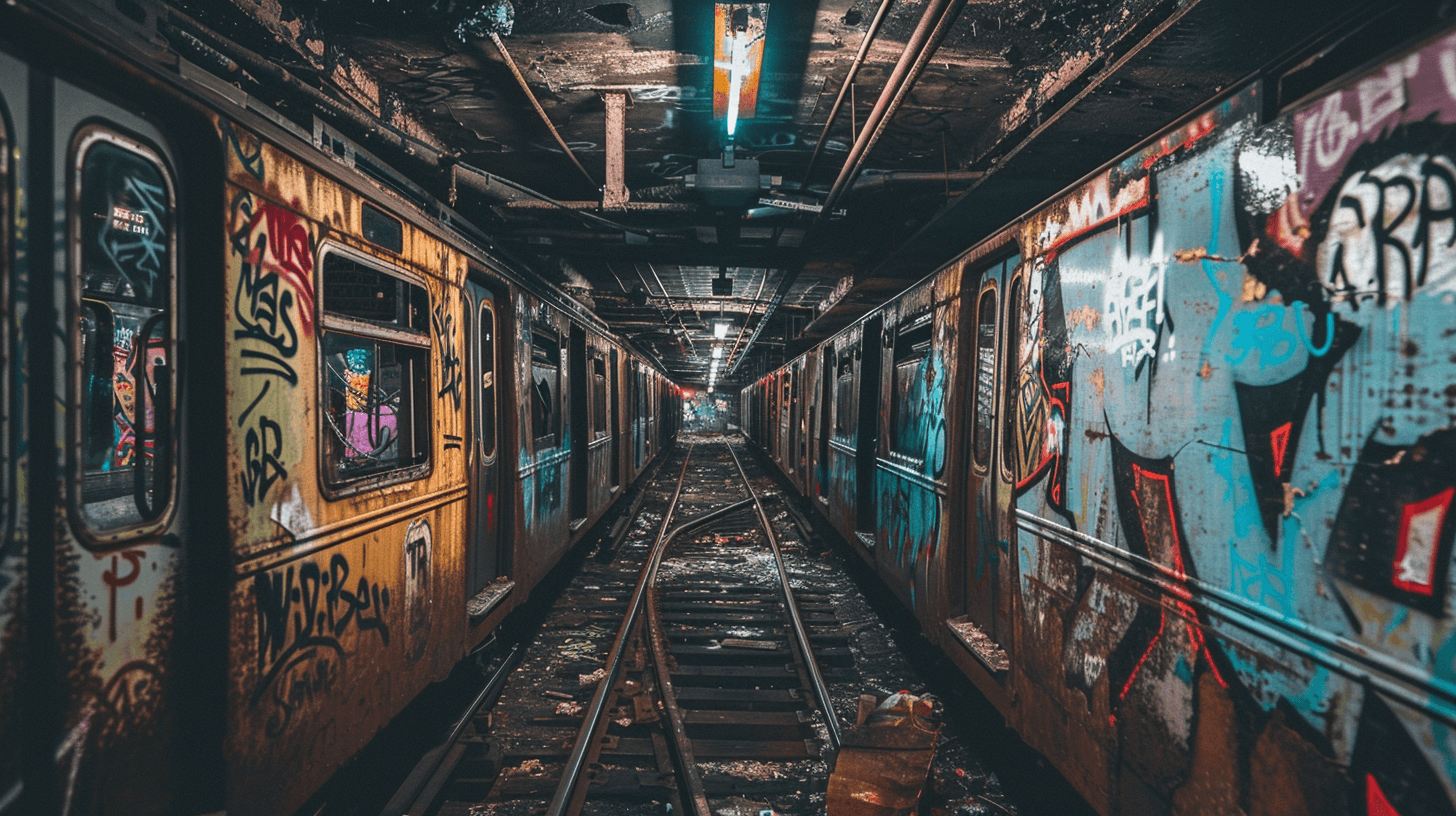
- The Freedom Tunnel (New York) – An Underground Art Gallery
- Graffiti by Renowned Artists: Stunning street art, including work by Chris "Freedom" Pape.
- Hidden Messages: Thought-provoking quotes and murals.
- Underground Stories: The tunnel’s use as a refuge for NYC’s homeless population.
- Portland Shanghai Tunnels – A Dark History of Smuggling
- Underground Bars: Secret speakeasies from the early 1900s.
- Trapdoors & Hidden Rooms: Used to smuggle victims.
- Ghost Tours: Paranormal investigators claim to have captured eerie sounds.
- Is urban exploration legal?
- Are these tunnels safe?
- Can I take photos?
Places in this story
- Seattle
- Seattle Underground
- Cincinnati
- Los Angeles
- Freedom Tunnel
- New York City
- Portland
- Portland Shanghai Tunnels
Frequently asked questions
- Is urban exploration of these tunnels legal?
- It depends on the site. Several passages, including New York's Freedom Tunnel, are illegal to enter, and many Los Angeles and Cincinnati tunnels are officially closed. The article recommends always joining official guided tours, such as the Seattle Underground Tour or Portland's Shanghai Tunnel Tour, to explore these underground spaces legally.
- Why is the Seattle Underground buried below the city?
- Seattle's original streets and storefronts were buried after the Great Fire of 1889, when the city was rebuilt at a higher level. The old sidewalks, storefronts, signs, furniture, and tools remain preserved underground. You can peek inside 1800s storefronts on the guided Seattle Underground Tour, which offers a safe exploration.
- What are the Portland Shanghai Tunnels known for?
- The Portland Shanghai Tunnels are tied to a dark history of alleged smuggling and 'shanghaiing,' the kidnapping of people forced to work on ships. The passages include underground bars and speakeasies from the early 1900s, plus trapdoors and hidden rooms once used to move victims. Official Shanghai Tunnel Tours let you explore this history safely.
- Can I visit Cincinnati's abandoned subway?
- Cincinnati's subway system was never completed and has sat abandoned for over a century, making it America's largest unused subway. The unfinished stations and platforms feature striking graffiti and murals. The tunnels are officially closed to the public, but occasional guided tours are available for those wanting to see them in person.
- Are these underground sites safe to explore?
- Some areas are structurally unstable, so the article advises only exploring with a professional guide. Entering certain tunnels, like New York's Freedom Tunnel, is both illegal and dangerous, and viewing online galleries is suggested as a safer alternative. Photography is generally allowed, but you should check local rules at each site.