
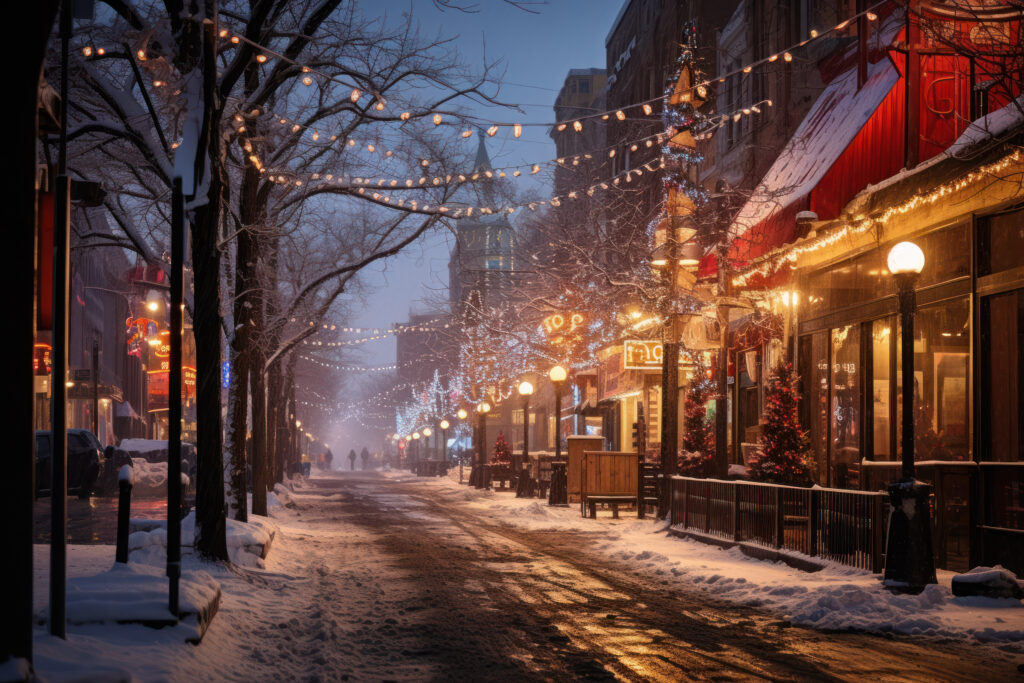
I have a theory about American cities in winter: the good ones get better. The tourists leave. The restaurants fill with locals. The cultural institutions run their best exhibitions knowing they need to earn attendance when nobody is visiting for the weather. The skylines sharpen against cold, clear air. And the cities that are actually livable, that people choose to inhabit through January, reveal themselves in ways the summer versions never do.
These seven cities are not winter destinations despite the cold. They are winter destinations because of what the cold brings out in them.
Chicago, Illinois: The Architecture Never Looked Better
Chicago in winter is an acquired taste that, once acquired, becomes a preference. The lakefront may try to freeze your face, but the city compensates with one of the deepest cultural inventories in America.
The Chicago Architecture Center runs winter boat tours (heated enclosed vessels) along the Chicago River through March, and the reduced passenger counts mean smaller groups and more interaction with the docents. The tour ($47 for adults) is consistently rated one of the best activities in any American city. When it is too cold even for heated boats, the Architecture Center’s walking tours through the Loop ($26) move at a pace that keeps you warm.
The Art Institute of Chicago (general admission $25 to $35, free for Illinois residents on certain days) is a world-class museum that you can actually experience in winter without the summer’s shoulder-to-shoulder crowds around the Impressionist galleries. Deep-dish pizza is a winter food. Lou Malnati’s on State Street serves a buttercrust pie that is better in January than it has any right to be. Pequod’s, in Lincoln Park, makes a caramelized-crust pan pizza that locals argue is superior. Both under $30 for a full pizza.
Boston, Massachusetts: The Freedom Trail in Snow
The Freedom Trail in winter is a different walk than the summer version. The red brick line through downtown is visible through light snow, and the 16 historic sites along the 2.5-mile route are uncrowded to the point that you can stand inside the Old North Church and hear the silence that Paul Revere would have heard on that April night in 1775. Self-guided walk is free. Ranger-led tours from the NPS Visitor Center at Faneuil Hall are free and run year-round.
The North End, Boston’s Italian neighborhood, is a winter food destination. Mike’s Pastry and Modern Pastry compete for best cannoli ($5 to $6 each) on Hanover Street, and the debate is genuine. In winter, the line at Mike’s drops from 45 minutes to 5. Giacomo’s on Hanover Street serves Southern Italian dishes in a cramped, cash-only, no-reservations space where you will wait 20 minutes instead of the summer’s 90. Plates run $15 to $25. The Museum of Fine Arts ($27 general admission) and Isabella Stewart Gardner Museum ($20) are both manageable in a single winter day when gallery traffic is light.
Denver, Colorado: Craft Beer at 5,280 Feet
Denver has more than 70 breweries within city limits and another 150-plus in the metro area, and winter is when the brewing community reaches its creative peak. Seasonal stout releases, barleywine festivals, and collaboration brews between local breweries fill the tap lists from November through March.
Great Divide Brewing Company in the RiNo Arts District, Ratio Beerworks, and Cerebral Brewing are all within walking distance of each other and represent Denver’s craft beer range. Most offer flights for $10 to $15. The Denver Art Museum ($15 adults, free for Colorado residents on certain days) designed by Daniel Libeskind is architecturally worth the visit alone. Red Rocks Amphitheatre, 15 miles west of downtown, is free to visit in winter (when concerts are not scheduled), and the geological formations and Denver skyline views from the top of the venue are spectacular in cold, clear air.
Philadelphia, Pennsylvania: The Underrated Winter City
Philadelphia in winter is one of America’s great bargains. The city has more colonial history than Boston, better food diversity than most cities twice its size, and a cultural infrastructure that includes the Philadelphia Museum of Art ($25, pay-what-you-wish on first Sundays), the Barnes Foundation ($25), and the extraordinary Rodin Museum ($12 suggested donation).
Reading Terminal Market, open since 1893, is an indoor market with over 80 vendors selling everything from Amish pretzels to DiNic’s roast pork sandwich (named America’s best sandwich by multiple publications, about $10). In winter, the market is heated, packed with locals on their lunch breaks, and entirely absent of the selfie-stick tourism that makes summer markets exhausting. The Italian Market on 9th Street in South Philly is the oldest continuously operating outdoor market in America and runs year-round. Pat’s and Geno’s face off for cheesesteak supremacy across the street from each other at Passyunk Avenue, but locals will tell you to go to John’s Roast Pork instead.
Nashville, Tennessee: Honky Tonks Don’t Take a Winter Break
Broadway in Nashville has live music in every bar, every night, year-round. Cover charges are zero in the honky tonks (Tootsie’s, Robert’s Western World, The Stage). The music starts at 10 AM and runs past midnight. In winter, the bachelor and bachelorette parties thin out, and the actual musicians playing these venues (many of whom are genuinely world-class session players) become the focus instead of the background.
Hot chicken is Nashville’s signature food, and it is a winter food by design: cayenne-heavy, sweat-inducing, built to generate heat from the inside. Prince’s Hot Chicken Shack, the originator, operates from a no-frills location on Dickerson Pike. Hattie B’s on 19th Avenue has a longer line but a more accessible heat scale. Both charge $8 to $14 for a plate. The Country Music Hall of Fame and Museum ($28 adults) and the Ryman Auditorium ($30 self-guided tour or attend a winter show) are essential stops regardless of your relationship with country music.
Washington, D.C.: Free Museums and Monuments in Winter Light
The single most valuable winter weekend in America might be Washington, D.C. The Smithsonian Institution operates 21 museums and galleries, all with free admission, and they are all open year-round. The National Museum of African American History and Culture requires timed-entry passes (free, released online) and is the hardest ticket in D.C. in summer. In winter, same-day walk-up entry is often available.
The National Mall in winter, without the summer crowds and humidity, is how the monuments were meant to be experienced. The Lincoln Memorial at dusk with snow on the Reflecting Pool is one of the most moving sights in America. The Library of Congress main reading room ($0, self-guided) is open to visitors and is one of the most beautiful rooms in any American building. Dining: Ben’s Chili Bowl on U Street ($6 to $10 for a chili half-smoke) has been a D.C. institution since 1958. Tail Up Goat in Adams Morgan does inventive Caribbean-Mediterranean cuisine ($28 to $42 entrees).
Detroit, Michigan: The Comeback City’s Cultural Core
The Detroit Institute of Arts alone justifies a winter trip: 65,000 works spanning 5,000 years, including Diego Rivera’s Detroit Industry murals (commissioned in 1932, covering all four walls of the Garden Court). General admission is $16. Free for Wayne, Oakland, and Macomb County residents. The museum is manageable in a single focused visit precisely because winter keeps the crowds modest.
Eastern Market, the largest historic public market in the country, operates its Saturday market year-round in heated indoor sheds. Over 200 vendors sell everything from produce to prepared foods to Detroit-made goods. The market neighborhood has become a dining hub: Supino Pizzeria for Detroit-style pizza ($14 to $18) and Russell Street Deli for what might be the best deli sandwich in the Midwest ($12 to $15). The Motown Museum ($25 adults), in the original Hitsville U.S.A. house where Stevie Wonder, The Supremes, and Marvin Gaye recorded, is open year-round and is best experienced in winter when you can linger without a crowd pushing you through Studio A.
Frequently Asked Questions
Which urban winter weekend is best for a first-timer?
Washington, D.C. The free Smithsonian museums alone provide days of world-class content. Add the monuments, dining, and the energy of the capital in winter, and it is the highest-value urban weekend in America. Philadelphia is a close second for the combination of history, food, and affordability.
How do I get around these cities in winter without a car?
Chicago, Boston, Washington D.C., and Philadelphia all have robust public transit systems that make a car unnecessary. Nashville and Denver are more car-dependent, though rideshare services cover the main tourist areas. Detroit’s public transit is limited, and a rental car is recommended.
Are urban hotel rates lower in winter?
Generally yes, except during major events. Chicago, Boston, and Philadelphia see 20 to 35 percent drops from peak summer rates in January and February. Washington D.C. drops during Congressional recesses. Nashville is the exception: music tourism keeps hotel demand relatively steady year-round, though weekday rates in winter do dip.