
The bald eagle landed on a cottonwood branch 40 feet from where I stood on the bank of the Mississippi River near Lock and Dam 14 in Iowa. It was early January, about 22 degrees, and the bird’s white head looked almost absurd against the gray sky and dark water. Then a second eagle appeared. Then a third. By the time I had feeling back in my fingers, I had counted eleven.
Winter concentrates wildlife in ways summer never does. Animals migrate to warmer waters, gather near open food sources, and become visible against bare landscapes. For travelers willing to dress for the cold (or, in some cases, the Florida sunshine), winter offers encounters you simply cannot have in any other season.
Where Can You See Bald Eagles in Winter?
Bald eagles concentrate near open water with reliable food sources. The best viewing in the lower 48 states happens along the Mississippi River from November through February, where locks and dams keep water open and fish accessible. Lock and Dam 14 near Le Claire, Iowa, and Lock and Dam 11 near Dubuque regularly host dozens of eagles. The annual Bald Eagle Days event in the Quad Cities typically runs in early January with viewing stations, live raptor programs, and spotting scopes set up by volunteers. Free admission.
Conowingo Dam on the Susquehanna River in Maryland, about 60 miles northeast of Baltimore, is the East Coast’s premier eagle watching site. Between November and March, 50 to 100 eagles regularly roost and feed below the dam. The best viewing is from the fisherman’s platform on the west side. Free access, no reservations needed. Arrive before sunrise for the best light and activity.
For the most spectacular concentration on the continent, the Alaska Chilkat Bald Eagle Preserve near Haines draws 3,000 to 4,000 eagles between October and February, feeding on a late run of chum salmon in the Chilkat River. The warm water upwelling keeps the river from freezing, creating a unique late-season food source. The Haines Alaska Bald Eagle Festival takes place in mid-November.
Gray Whale Migration Along the Pacific Coast
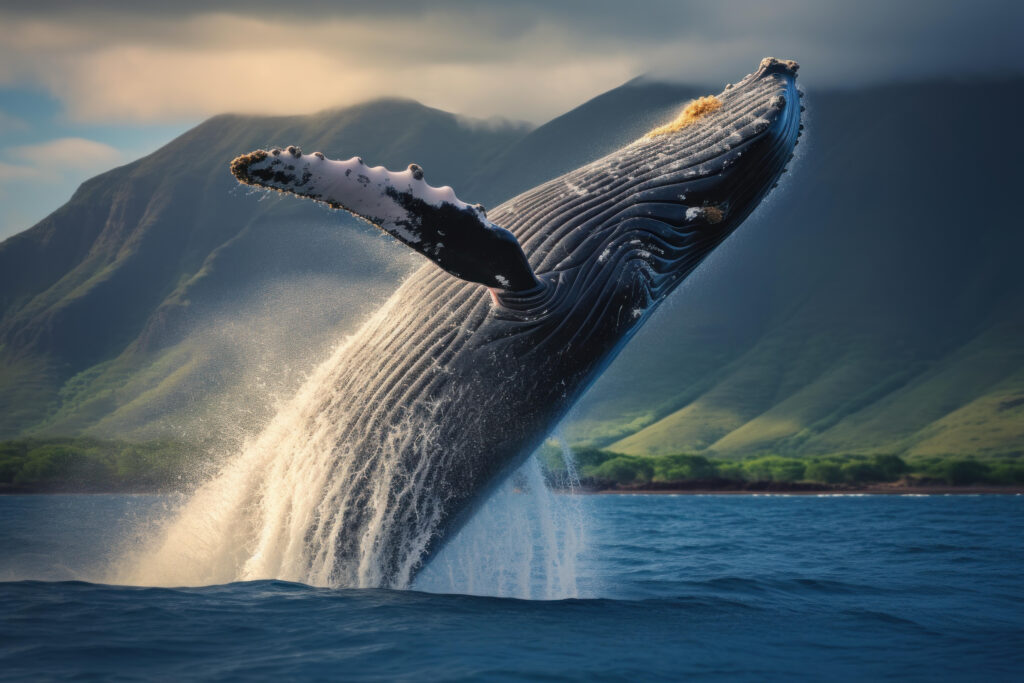
Approximately 20,000 gray whales migrate 10,000 miles round trip between Arctic feeding grounds and Baja California breeding lagoons each year, and they pass close to shore along the entire West Coast between December and April. The southbound migration peaks in late December through January. Northbound (mothers with calves) peaks March through April.
Point Reyes National Seashore in California positions you on a headland that juts 10 miles into the Pacific, directly in the migration path. The lighthouse observation deck is the prime spot, and on peak days in January, volunteers with binoculars count 30 or more whales per hour. Depoe Bay, Oregon, bills itself as the whale watching capital of the Oregon coast and hosts trained volunteers at marked viewpoints during Oregon’s Winter Whale Watch Week (December 27 through 31, 2025, and Spring Watch March 21 through 29, 2026). Free.
Where Are the Best Places to See Manatees in Winter?
West Indian manatees are cold-sensitive and congregate in warm water refuges when Gulf and Atlantic temperatures drop below 68 degrees. This creates predictable, close-range viewing opportunities between November and March.
Crystal River, Florida, is the only place in the United States where you can legally swim with manatees. Three Sisters Springs, managed by the U.S. Fish and Wildlife Service, hosts hundreds of manatees in winter. Kayak and snorkel tours operate daily, typically $30 to $65 per person. The springs are crystal clear, and manatees will approach within arm’s length. The boardwalk provides free viewing from above.
Blue Spring State Park in Orange City, Florida (about 40 minutes from Orlando), has a designated manatee refuge where the 73-degree spring run attracts 300 to 700 manatees on the coldest winter days. No swimming is allowed during manatee season (November 15 through March 15), but the elevated boardwalk gives you direct overhead views. Entry is $6 per vehicle. The park reaches capacity early on cold mornings. Arrive before 8 AM.
Bison in Winter: Where the Herds Still Roam
Antelope Island State Park in Utah, accessible by a 7-mile causeway across the Great Salt Lake, maintains a free-ranging herd of 550 to 700 bison. Winter is the best viewing season because the animals move to lower elevations near the road. The annual Bison Roundup takes place each fall, but winter visits offer quiet encounters with animals silhouetted against snow-covered mountains and the surreal salt flats. Entry is $15 per vehicle.
Custer State Park in South Dakota’s Black Hills has a herd of approximately 1,400 bison. The 18-mile Wildlife Loop Road is open year-round, and winter reduces traffic to a trickle while the bison remain. You will share the road with them. Literally. They do not care about your schedule. Entry is $20 per vehicle.
Whooping Cranes on the Texas Coast
Aransas National Wildlife Refuge on the central Texas coast near Rockport is the primary wintering ground for the world’s last wild flock of whooping cranes, North America’s tallest bird at nearly 5 feet. Roughly 500 to 540 birds winter here from November through March. The best viewing is by boat. Several permitted operators run tours from Rockport and Fulton, typically $60 to $85 per person for a 3-to-4-hour trip. From the refuge’s observation tower, you can sometimes spot cranes with binoculars, but the boat trips are worth the cost for guaranteed close encounters.
Snowy Owls in the Great Lakes Region
During irruption years (driven by lemming population cycles in the Arctic), snowy owls move south into the northern United States in impressive numbers. The Great Lakes shorelines, open agricultural fields of the Upper Midwest, and even airport perimeters become regular hunting grounds from December through March. Presque Isle State Park in Erie, Pennsylvania, is a consistent hotspot. So are the beaches and dunes along the Lake Michigan shoreline in Indiana, Michigan, and Wisconsin.
Snowy owls are diurnal (active during daylight), so you do not need to be out at dawn. Late morning and afternoon are productive. Keep a distance of at least 200 feet. These birds are stressed from their long migration and need to conserve energy. A good telephoto lens or spotting scope is essential.
Frequently Asked Questions
What is the single best winter wildlife experience in America?
If you have to pick one: swimming with manatees at Crystal River, Florida. It is affordable, accessible, and the kind of gentle, close-range encounter with a large wild animal that is almost impossible to find elsewhere. The water is warm, the manatees are curious and calm, and you will remember it for decades.
Do I need special equipment for winter wildlife watching?
Binoculars are essential. A 10×42 pair is the standard recommendation for birding and wildlife. Dress in layers with windproof outer shells. Hand warmers are not optional in northern locations. A camera with at least 200mm of reach will capture meaningful photos, though 400mm or more is ideal for birds.
Are guided tours worth the money for wildlife viewing?
For whales, whooping cranes, and manatees, yes. Guides know where the animals are, have permits for restricted areas, and dramatically increase your odds of quality sightings. For bald eagles and bison, self-guided viewing from established sites is usually sufficient and free.